
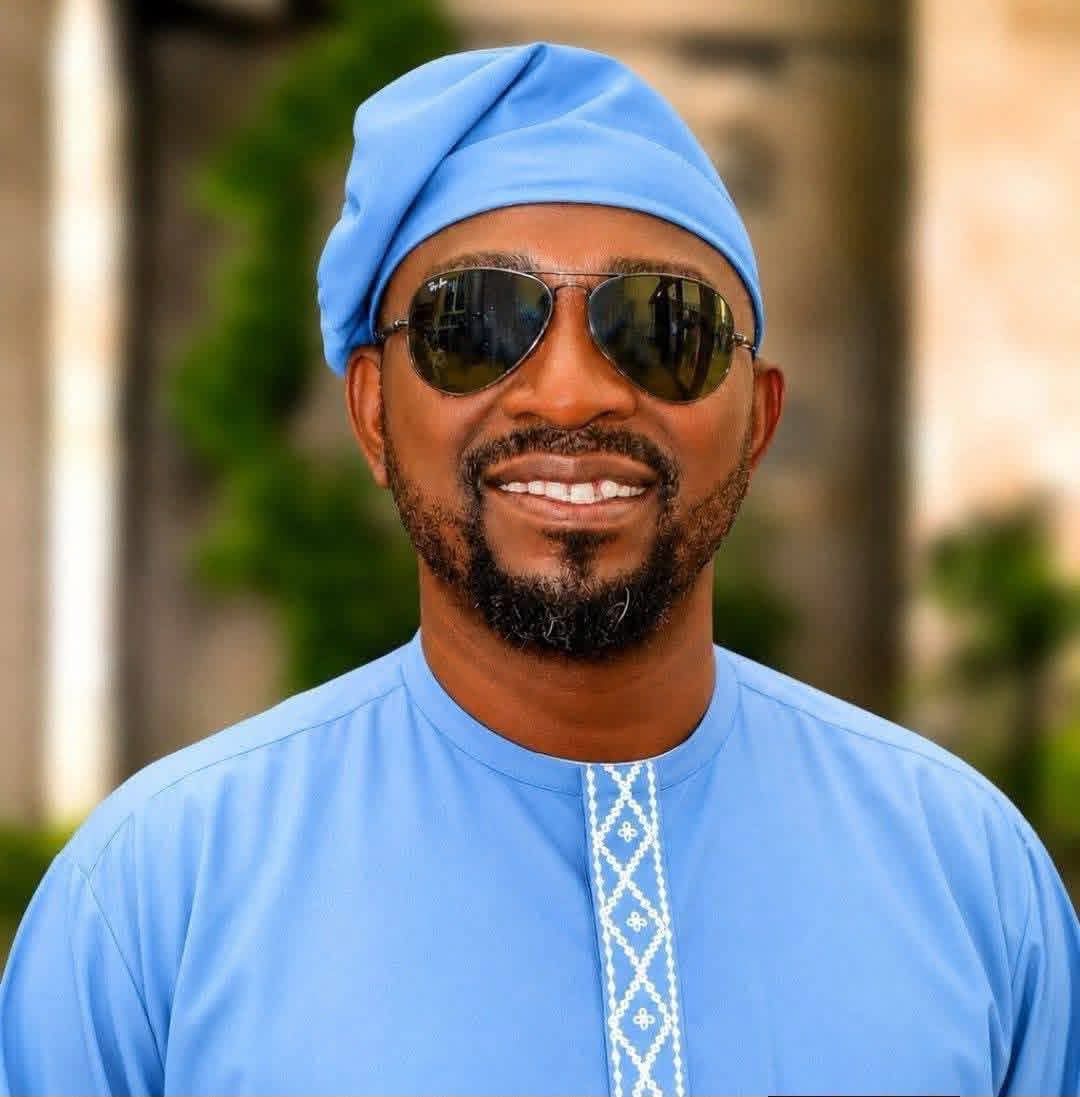
Obinna Emmanuel Ibaki: The Engineer Bringing Experience, Technical Depth to Ebonyi Works Ministry.
ABAKALIKI — The appointment of Engr. Obinna Emmanuel Ibaki as the new Commissioner for Works in Ebonyi State has placed the state’s critical infrastructure portfolio in the hands of an engineer whose public-service career has been closely associated with project administration, infrastructure development and rural road management.
Ibaki’s emergence is particularly significant because his professional journey within Ebonyi’s public sector has included responsibilities directly connected to infrastructure. In 2021, he was appointed Special Assistant to then Governor David Umahi on the Airport Project, a role that brought him into the administration of a major state infrastructure project.
His subsequent elevation under Governor Francis Ogbonna Nwifuru further expanded his exposure to road and infrastructure administration. Available reports indicate that he later served as Director-General of the Ebonyi State Rural Access Road Authority (EBS-RARA), where his responsibilities were connected with rural road development and accessibility.
From Project Management to the Works Ministry.
For Ibaki, the Works Ministry therefore represents more than a new political appointment; it is an extension of an institutional journey that has kept him around infrastructure development.
His previous assignment on the Airport Project under the Umahi administration gave him experience in the coordination of a major capital project, while his leadership role at the Rural Access Road Authority exposed him to the peculiar challenges associated with road construction and connectivity in rural communities.
That background is now coming into sharper focus as he assumes responsibility for a ministry central to Ebonyi’s development agenda.
The Works Ministry oversees one of the most visible aspects of government: roads, bridges, drainage infrastructure, public works and other physical projects that directly affect economic activity and movement across communities.
A Personality Associated With Quiet Administrative Engagement
Beyond official positions, accounts surrounding Ibaki’s career describe him as a figure who has progressively moved through different levels of government responsibility.
A 2025 report on a reception held in his honour described him as having served in the administration of former Governor David Umahi before his subsequent elevation under Governor Nwifuru. The report also quoted Ibaki emphasizing peace, development and community-focused governance.
Such a trajectory places him among the generation of Ebonyi professionals whose careers have straddled successive administrations while remaining involved in public infrastructure.
His appointment also comes against the background of Governor Nwifuru’s stated emphasis on infrastructure and project delivery. At the inauguration of several state boards, the governor charged appointees to lead with integrity, urgency and excellence, while emphasizing the need to improve the standard of government institutions and infrastructure.
The Challenge Before the New Commissioner.
The new commissioner’s greatest test will ultimately not be the appointment itself but what he does with the responsibility.
The Works Ministry is an intensely demanding portfolio. Ebonyi’s expanding urban centres, developing rural communities and increasing economic activities require roads that are properly designed, constructed, maintained and monitored.
Ibaki will therefore have to combine his engineering background with effective supervision, project monitoring, quality control and prudent management of public resources.
He will also have to maintain close engagement with contractors and communities while ensuring that projects meet the required technical standards and are delivered within approved specifications.
A New Assignment, A Larger Responsibility.
Ibaki’s appointment can consequently be viewed within the broader evolution of his public-service career—from an aide assigned to an airport project, through leadership of a rural roads agency, to the commissioner responsible for the state’s entire Works Ministry.
The transition gives him a broader platform, but it also places greater expectations on his capacity to translate technical experience into measurable infrastructure outcomes.
For Ebonyi residents, the real assessment will ultimately be visible on the roads and other public works projects across the state.
Engr. Obinna Emmanuel Ibaki now has the opportunity to demonstrate that experience gained from years of infrastructure-related assignments can be converted into effective leadership of one of Ebonyi’s most consequential ministries.