
By Favour Awuzie, Port Harcourt
The Federal Government has launched fresh efforts to establish common public procurement standards across the federal, state and local government levels, warning that reforms at the centre will have limited impact if procurement systems at the sub-national level remain weak.
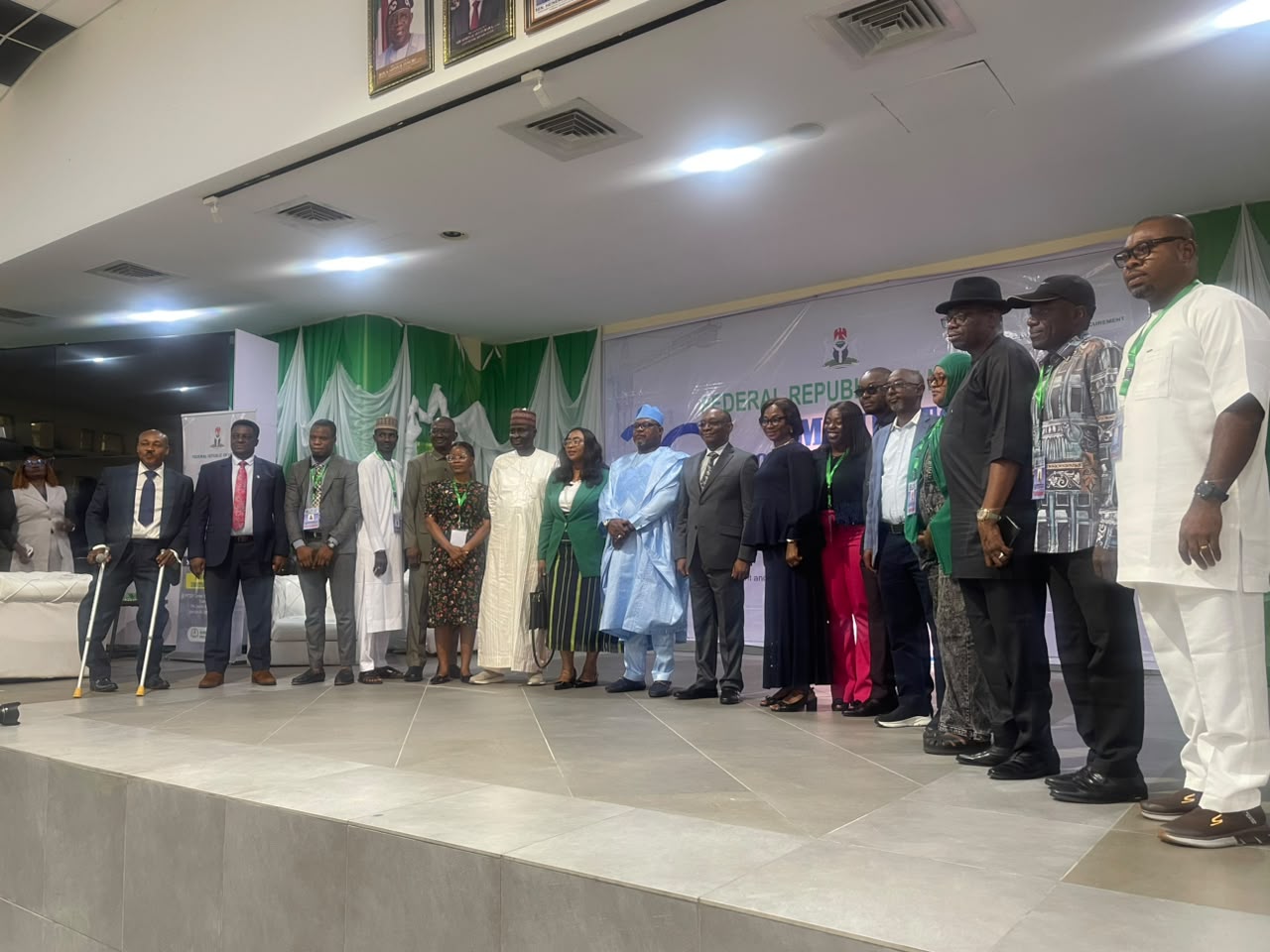
The push was highlighted at the opening of the 2026 Mandatory Continuous Public Procurement Capacity Development Training Programme (MCPPCDTP) in Port Harcourt on Monday, where officials stressed the need for stronger coordination, professionalism and compliance across Nigeria’s three tiers of government.
The Senior Special Adviser to the Secretary to the Government of the Federation, Senator George Akume, Prof. Bernard Babatunde, who represented the SGF, said public procurement was critical to converting government policies, budgets and development plans into tangible benefits for citizens.
He said the Federal Government’s reform agenda could only succeed with competent and ethical procurement professionals capable of ensuring that public resources translated into quality projects and services.
“Public procurement is a critical instrument for translating government policies, budget and development plans into tangible benefits for the engineers,” he said.
Babatunde noted that the delivery of roads, hospitals, schools, bridges and other critical infrastructure depended significantly on effective procurement processes.
He warned that poor planning, weak contract management and non-compliance could lead to delays, waste and substandard projects, stressing that every naira of public funds must deliver measurable value amid Nigeria’s competing development needs.
He urged procurement professionals to see their role beyond routine administration, describing public procurement as a strategic tool for economic management, accountability and national development.
Babatunde also warned procurement officers against undue influence, conflicts of interest, favouritism and attempts to circumvent due process, saying public funds were held in trust for Nigerians.
“Every decision must, therefore, be guided by fairness, transparency, accountability and strict adherence to applicable laws and regulations,” he said.
He called for greater use of digital technology in procurement, saying electronic processes could improve documentation, strengthen audit trails, reduce delays and enhance transparency and monitoring.
He, however, stressed that digital transformation must be supported by effective internal controls, professional competence and compliance with existing laws.
Earlier, the Director-General of the Bureau of Public Procurement said the training marked an important step towards professionalising public procurement and establishing common standards across the country’s three tiers of government.
He disclosed that more than 700 participants had registered for the programme, which is being conducted in two batches, with about 350 participants attending the first batch in Port Harcourt.
The BPP DG said the decision to bring federal and state procurement officials together was driven by the need to ensure that procurement reforms extended beyond the federal level.
He noted that Nigeria’s three-tier system means government spending and development projects are distributed across the federal, state and local governments.
“If the procurement process at the federal level is undergoing transformation, and you are leaving out the states and local governments, you will not be making much progress, because the bulk of development is within the states and the local governments,” he said.
The DG said experienced procurement professionals from Nigeria and abroad would participate in the programme to mentor younger officers and facilitate the transfer of institutional knowledge.
He said the mentorship component was designed to restore professionalism and encourage meticulous planning and preparation in public procurement.
According to him, the programme would focus on “mentorship, sharing experience, bringing in experts and leading by example”, with plans to develop the initiative into a broader global institutional framework for knowledge transfer.
Also speaking, the Director-General of the Rivers State Bureau of Public Procurement, Dr. Ine Briggs, described the collaboration between federal and state procurement authorities as significant.
Briggs said the engagement demonstrated the common ground among the federal, state and local governments, stressing that the ultimate objective of public procurement was to deliver value to citizens.
She commended the Federal BPP leadership for efforts to address knowledge and implementation gaps in the procurement sector.
Briggs said Rivers State was prepared to embrace innovations from the federal level, particularly initiatives aimed at improving knowledge-sharing and professional standards.
“We at the state level are embracing every innovation that is brought to jump on it. So we don’t want to lose track,” she said.