
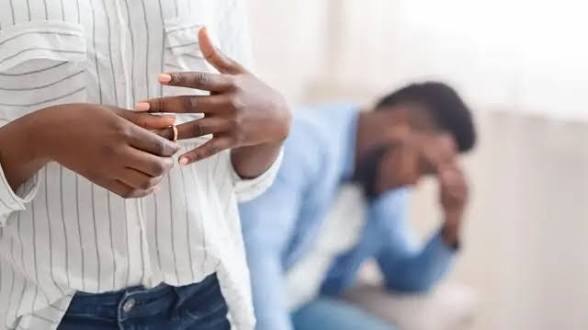
The growing number of marital disputes, separations and divorces in Nigeria has raised fresh questions about the state of families and whether the institution of marriage is changing.
From ordinary families to high-profile relationships, marriages that once appeared stable have increasingly ended publicly, while infidelity, domestic violence and other forms of abuse remain a major concern.
Several Nigerian celebrities and public figures have gone through highly publicised marital breakdowns in recent years:
- Funke Akindele and JJC Skillz separated after about six years of marriage.
- Actress Ireti Doyle also confirmed her divorce from Patrick Doyle after nearly two decades together.
- Yul Edochie and May Edochie’s marriage became a subject of public controversy following his announcement of another wife,
- while 2Baba and Annie Idibia’s separation after 13 years of marriage also generated widespread attention. And many more.
But beyond celebrity marriages, thousands of families are also dealing with problems away from the cameras.
Sadly, domestic violence remains one of the most serious issues many households have complained about.
Data from the National Human Rights Commission has continued to record cases of domestic and sexual violence, while national and international studies have documented intimate partner violence among Nigerian women.
Increasingly, some women have also turned to social media to speak about physical, emotional and psychological abuse in their marriages.
Some say they stayed for years because of their children. Others cite financial dependence, family pressure, fear of starting over and the stigma attached to divorce.
For many women, leaving an abusive marriage can also mean facing society’s judgement as another battle.
Women who separate from their husbands are sometimes asked what they did wrong, whether they were patient enough or why they could not “keep their homes.”
In some cases, the pressure to remain married is placed above the circumstances that led to the separation. Yet, staying does not necessarily mean that a family is functioning.
Sadly, some men also face abuse and neglect in their marriages but remain silent, often because of the stigma attached to speaking about it.
Some experience emotional abuse, disrespect and rejection when they lose their jobs, face financial difficulties or can no longer provide at the level they once did. For some, the fear of being mocked, judged as “weak” or not being believed keeps them from seeking help, leaving them to deal with the strain quietly.
Altogether, financial pressures, infidelity, changing expectations, communication problems and differences in values have all featured in public discussions around marital breakdown.
On the other hand, changing gender roles have also shifted what people expect from marriage. More women now earn their own income, which changes what they are willing to tolerate and how easily they can leave.
Men and women both walk into marriage with less patience for unhappiness than earlier generations had, partly because they have more independence and partly because they see fewer reasons to stay quiet through it.
Still, these highly visible cases alone are not enough to convince us that marriage as an institution is failing. Many healthy marriages have thrived and are still thriving outside camera.
The world has evolved. Times have changed. Expectations are no longer the same.
Both men and women are to be blamed equally, many say.
So, the bigger question is whether society is adequately preparing young people for marriage beyond the wedding ceremony.
Do this generation of couples go into marriages without proper guidance and understanding of: how to communicate, manage disagreements, handle finances, raise children and recognise abuse?
What is really going wrong with the family, and what will marriage look like for the next generation?