
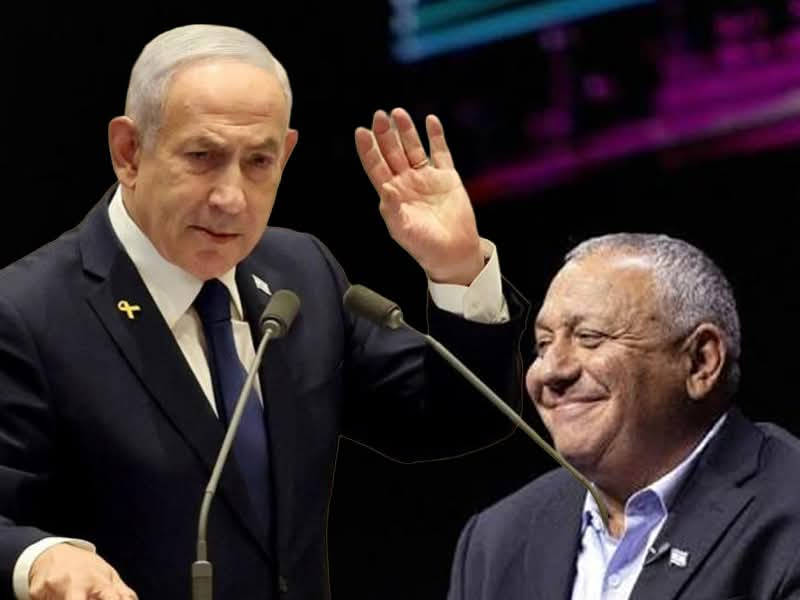
Israel is heading into a period of political uncertainty following an inconclusive parliamentary election that has left Prime Minister Benjamin Netanyahu’s political bloc without the majority needed to form a government.
The election outcome has intensified political competition, with Netanyahu and opposition leader Gadi Eisenkot facing the difficult task of securing support from smaller parties to establish a governing coalition.
Neither camp appears to have a straightforward path to the 61 seats required for a majority in Israel’s 120-member parliament, the Knesset.
Netanyahu, a dominant figure in Israeli politics, is expected to pursue negotiations with potential allies in an effort to retain power.
However, the shortfall in parliamentary seats could weaken his bargaining position and make the formation of a stable administration more complicated.
The result also presents an opportunity for the opposition to challenge Netanyahu’s leadership. Eisenkot and his allies are expected to explore possible partnerships with other political groups, although ideological differences and disagreements over government policy could make it difficult to unite behind a single alternative.
Smaller parties are likely to play a decisive role in the negotiations, as their support could determine which political camp eventually secures control of the government. Their demands on security, economic policy and other national issues could influence the composition and priorities of the next administration.
Israel’s proportional representation system frequently requires political parties to negotiate power-sharing arrangements after elections. Nevertheless, when competing blocs remain divided, coalition discussions can become prolonged, leaving the country with a caretaker government while political leaders attempt to reach an agreement.
The uncertainty comes amid continuing regional security challenges and intense debate over Israel’s domestic and foreign policies.
The next government will face pressure to address national security concerns, economic challenges and relations with key international partners.
If Netanyahu and his opponents fail to assemble the necessary parliamentary support, Israel could face another election, extending the political uncertainty.